


US Federal Reserve Cuts Interest Rates Again
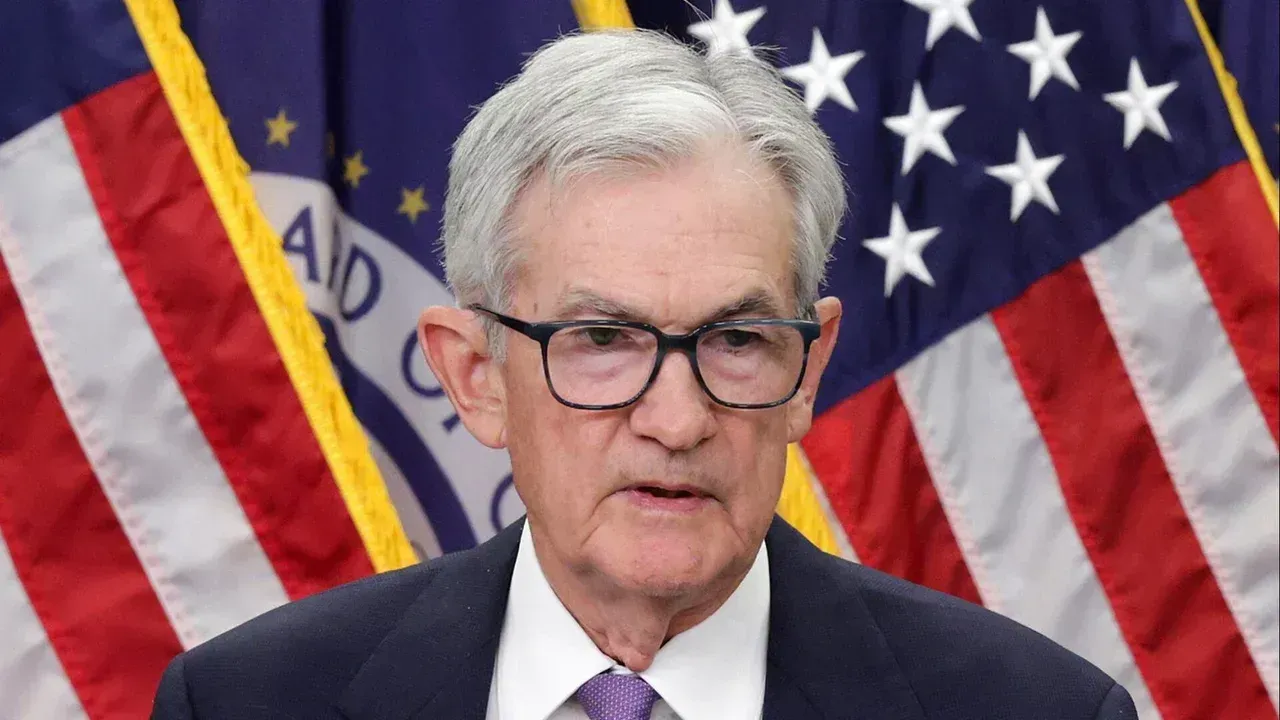
In a much-anticipated decision, the U.S. Federal Reserve has cut its benchmark interest rate by 25 basis points, bringing it down to a range of 3.75%–4.00% — the second rate cut of 2025. Led by Chair Jerome Powell, the Federal Open Market Committee (FOMC) took this step amid growing concerns about a weakening labor market, a lingering government shutdown, and softening inflation data.
However, Powell’s tone during the press conference indicated caution — suggesting that further rate cuts in December are not guaranteed. This mixed message has stirred global markets, leaving investors uncertain about the Fed’s next move.
📉 The Decision: 25 Basis Point Cut
New Rate Range: 3.75%–4.00%
Cut Size: 25 basis points (0.25%)
Vote Split: Two policymakers dissented, signaling internal divisions within the Fed.
Reason: To counter the slowdown in consumer spending and job growth, while balancing inflation risks.
According to The Economic Times, the decision was influenced by “elevated uncertainty” due to the government shutdown that has restricted key data flows, making it harder for the Fed to rely on traditional indicators.
🗣️ Jerome Powell’s Message: “We’re Not on a Pre-Set Course”
During the press conference, Jerome Powell acknowledged the delicate balance the Fed faces:
“We are navigating without full visibility due to missing data. While we’ve made progress on inflation, we remain cautious about cutting rates too aggressively.”
He emphasized that a December rate cut is not a foregone conclusion, hinting that the Fed will wait for more economic clarity before taking further steps.
CNBC reported that Powell’s remarks immediately tempered Wall Street’s optimism, leading to volatile market reactions across global indices.
💹 Market Reaction: Mixed and Cautious
The Fed’s move sparked mixed reactions in global markets:
U.S. Stocks: Initially surged after the announcement but later gave up gains, with the Dow Jones closing lower, according to CNBC TV18.
S&P 500: Wavered, as per Investopedia, reflecting uncertainty about the Fed’s December stance.
Asian Markets: Opened mixed, as investors digested Powell’s cautious tone (Bloomberg).
Gold Prices: Fell slightly below $4,000 per ounce (KITCO), as the U.S. dollar strengthened.
Bitcoin: Slid further as risk sentiment cooled and Powell dismissed expectations of aggressive easing (CoinDesk).
📊 Economic Context: Why the Cut Now?
The Fed’s decision comes amid several key economic challenges:
Softening Inflation: Prices have eased compared to last year, but inflation remains above the Fed’s 2% target.
Weak Labor Market: Job growth has slowed, with new data showing reduced hiring and rising unemployment claims.
Government Shutdown: The ongoing shutdown has delayed critical data releases, forcing the Fed to make decisions “while flying blind,” as BBC described.
Consumer Spending Slowdown: Rising household debt and declining retail activity are dampening growth prospects.
According to Reuters, Powell admitted that the move may be the last cut of 2025 unless the economy shows clearer signs of distress.
🌍 Global Implications: Ripple Effects Across Markets
The rate cut has implications far beyond U.S. borders:
Emerging Markets: May see short-term capital inflows as U.S. yields decline.
Asian Currencies: Strengthened slightly, though the rally may stall amid Powell’s cautious tone (Bloomberg).
Oil Prices: Remained steady, with traders balancing demand concerns against rate-driven optimism.
India & Other Developing Economies: Could benefit from improved liquidity and investment inflows as global investors seek higher returns.
💬 Expert Opinions: Divided Outlook
MarketWatch: “The Fed had a strong case for this cut, but investors should brace for surprises.”
New York Post: Criticized the decision, calling it “too little, too late.”
Bloomberg Opinion: Urged the Fed to pause further cuts, warning of premature easing.
Forbes: Framed the move as a necessary but cautious step toward stabilizing growth.
🏛️ Political and Policy Backdrop
The rate cut also carries political undertones, as tensions between the White House and the Fed resurface. President Donald Trump had earlier called for deeper cuts, arguing that monetary easing was vital for sustaining U.S. growth. However, Powell maintained that decisions would remain data-driven and independent of political pressure.
📈 Looking Ahead: What to Expect Next
While the Fed has not ruled out another cut, analysts say the bar for future easing is higher now.
Key dates to watch:
November Jobs Report – crucial to gauge the health of the labor market.
Inflation Data (CPI & PCE) – will influence the Fed’s December decision.
Next FOMC Meeting: December 17–18, 2025.
Possible Scenarios:
If inflation remains low and job growth weakens: Another 25 bps cut possible.
If inflation stabilizes or rises: Fed may pause to assess effects of recent cuts.
If shutdown persists: Fed may rely on market-based indicators, increasing volatility.
🧭 Conclusion: The Fed’s Balancing Act Continues
The October 2025 Fed rate cut underscores the complexity of managing an economy facing both softening inflation and data uncertainty. While the reduction aims to support growth, Powell’s cautious language suggests the Fed is walking a tightrope — easing just enough to sustain momentum but wary of igniting inflationary pressures again.
As global markets adjust to this new rate environment, the focus now shifts to December’s meeting, where the Fed’s next move could define the economic outlook for early 2026.

Press Release on Our All Websites for Powerful Online Presence
Get your brand featured with a world-class press release, published across all our high-authority websites — complete with powerful do-follow backlinks. Crafted to meet global press release standards, our service ensures maximum credibility, visibility, and SEO impact. Special pricing and exclusive offers are available for a limited time. Contact us today at sunil@justbaazaar.com to elevate your brand’s presence."
ABOUT US
JB Daily News Since 2018


Created with ©systeme.io